
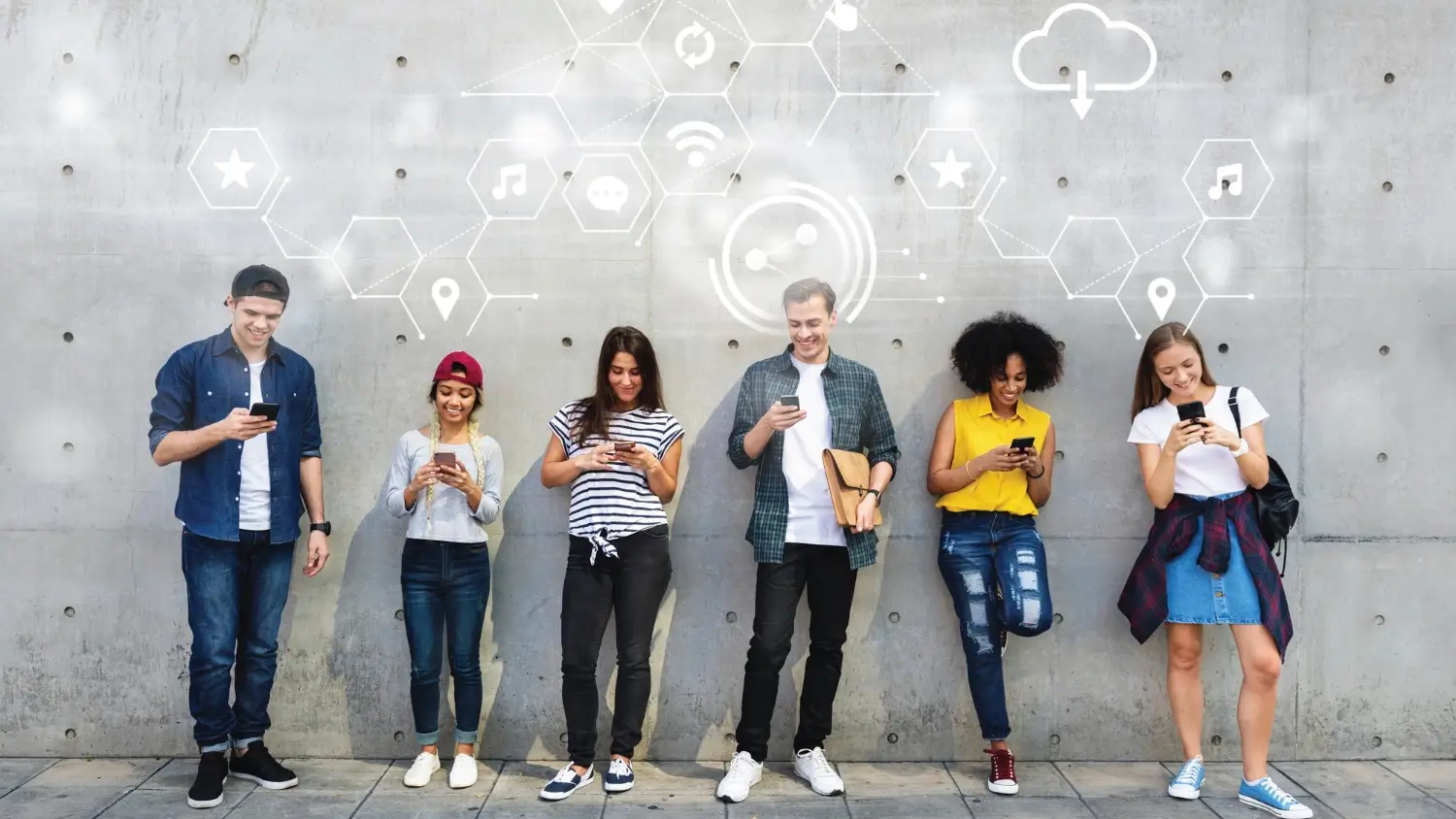
The Evolution of Human Connection
Human connection has always been central to society, shaping cultures, relationships, and communities. Traditionally, social interactions were limited by geography, time, and physical presence. Today, technology has dramatically transformed how people communicate, connect, and maintain relationships online.
From social media platforms and messaging apps to virtual reality and AI-powered communities, technology is redefining social connections in ways once unimaginable. In this ever-evolving digital life, people can form friendships, collaborate professionally, and share emotions across continents in real time.
This shift is not merely about convenience-it represents a fundamental change in how relationships are built, experienced, and sustained in the digital age.
From Physical Communities to Digital Networks
Before the internet, social connections were largely shaped by proximity. Neighborhoods, schools, workplaces, and family gatherings formed the foundation of social life. While these connections were often deeper, they were also limited in scope.
Technology removed these barriers by enabling global communication. Online platforms allow people to connect based on shared interests rather than physical location. Digital networks have replaced traditional communities with flexible, interest-driven ecosystems that operate 24/7.
This transformation has made social life more inclusive, enabling voices from different backgrounds, cultures, and regions to connect and collaborate like never before.
Social Media’s Expanding Role in Online Relationships
Social media has become one of the most influential forces redefining online connections. Platforms like Facebook, Instagram, LinkedIn, and X (formerly Twitter) allow users to share moments, ideas, and opinions instantly.
Unlike traditional communication, social media blends public and private interaction. Users can maintain close relationships through direct messages while simultaneously engaging with broader audiences through posts, comments, and live streams.
These platforms also shape social norms-how people present themselves, communicate emotions, and measure engagement. Likes, shares, and comments have become digital signals of connection, reinforcing a new form of social validation within modern digital life.
Real-Time Communication and the Rise of Instant Connectivity
Instant messaging apps, video calls, and voice notes have revolutionized how people stay connected. Tools like WhatsApp, Telegram, Zoom, and Google Meet have made real-time communication effortless.
This immediacy has strengthened long-distance relationships, enabled remote teamwork, and allowed families to stay emotionally connected despite physical separation. The ability to see facial expressions and hear voices adds depth to online interactions, bridging the emotional gap created by distance.
However, instant connectivity also creates expectations of constant availability, highlighting the need for balance in a fast-paced digital environment.
Virtual Communities and Niche Social Spaces
Technology has enabled the rise of virtual communities that cater to specific interests, professions, and identities. Forums, Discord servers, Reddit communities, and online gaming platforms allow people to bond over shared passions.
These niche social spaces often foster deeper connections than traditional social media because they are built around meaningful engagement rather than mass visibility. Members collaborate, support one another, and exchange knowledge in ways that feel personal and authentic.
In an ever-evolving digital life, such communities provide a sense of belonging that transcends physical boundaries and traditional social structures.
The Influence of AI on Online Social Interactions
Artificial intelligence is playing a growing role in shaping online social experiences. AI-driven algorithms curate content, suggest friends, and personalize feeds based on user behavior.
Chatbots and virtual assistants now participate in social spaces, offering companionship, customer support, and even emotional engagement. While AI enhances convenience and personalization, it also raises questions about authenticity and emotional dependency.
As technology continues to evolve, balancing AI efficiency with genuine human connection will be a defining challenge of future digital interactions.
How Technology Is Shaping Digital Identity and Expression
Online platforms allow individuals to create and express digital identities that may differ from their offline selves. Profile pictures, bios, stories, and posts serve as curated representations of personality, values, and lifestyle.
This freedom of expression empowers creativity and self-discovery but can also lead to pressure to maintain a polished digital image. The line between authenticity and performance often blurs, influencing how people perceive themselves and others.
In today’s digital life, identity is no longer static-it evolves across platforms and communities, shaped by technology and social feedback.
Online Relationships: Benefits and Emerging Challenges
Technology-driven social connections offer numerous benefits. They provide accessibility for introverts, individuals with disabilities, and those in remote areas. Online relationships can be just as meaningful and supportive as offline ones when nurtured intentionally.
However, challenges persist. Miscommunication, lack of non-verbal cues, and online harassment can strain digital relationships. The abundance of connections may also lead to superficial interactions, reducing the depth of emotional bonds.
Understanding these dynamics is essential for building healthier, more fulfilling online connections.
The Impact of Technology on Emotional Connection
Emotions are increasingly expressed through emojis, GIFs, reactions, and short messages. While these tools add nuance to digital communication, they cannot fully replace physical presence.
Technology enables emotional support through virtual check-ins, online therapy, and peer support groups. During times of crisis or isolation, digital connections can provide comfort and reassurance.
Yet, excessive reliance on digital interaction may reduce face-to-face empathy, emphasizing the importance of blending online and offline social experiences.
Privacy, Trust, and Authenticity in Digital Social Life
As social connections move online, concerns about privacy and data security grow. Sharing personal moments digitally requires trust in platforms and awareness of digital footprints.
Authenticity is another critical issue. Fake profiles, misinformation, and curated realities can undermine trust in online relationships. Users must navigate these challenges by practicing digital literacy and mindful engagement.
Responsible technology use ensures that social connections remain safe, respectful, and meaningful in an increasingly connected world.
The Future of Social Connections in an Ever-Evolving Digital World
Emerging technologies such as virtual reality (VR), augmented reality (AR), and the metaverse promise to redefine online interaction further. These immersive experiences aim to replicate physical presence, enabling virtual meetups, events, and social spaces.
As technology evolves, social connections will become more interactive, personalized, and immersive. However, the human need for empathy, trust, and genuine connection will remain unchanged.
Platforms and communities highlighted by forward-thinking resources like Web Trendy Hub continue to explore how innovation can enhance digital relationships without compromising emotional well-being.
Conclusion: Redefining Connection Without Losing Humanity
Technology has undeniably transformed how people connect, communicate, and build relationships online. It has expanded social circles, bridged distances, and created new forms of community in our ever-evolving digital life.
Yet, technology is a tool-not a replacement for human connection. The true power lies in how individuals use digital platforms to foster understanding, empathy, and meaningful interaction.
By embracing innovation while remaining mindful of emotional and ethical considerations, society can redefine social connections without losing the essence of humanity-a perspective consistently explored by digital insight platforms like Web Trendy Hub.
FAQs
How has technology changed social connections online?
Technology has made communication faster, global, and more accessible, enabling people to connect beyond physical boundaries through social media, messaging apps, and virtual communities.
Are online relationships as meaningful as offline ones?
Yes, online relationships can be meaningful when built on trust, shared values, and consistent communication, though they may lack certain physical and emotional cues.
What role does AI play in online social interaction?
AI personalizes content, suggests connections, and enhances user experience, but it also raises concerns about authenticity and emotional dependency.
How can people maintain healthy digital social lives?
By setting boundaries, practicing digital mindfulness, prioritizing quality interactions, and balancing online and offline connections.
What challenges do digital social connections face?
Common challenges include privacy risks, misinformation, superficial interactions, and reduced face-to-face communication.
What does the future hold for online social connections?
The future includes immersive technologies like VR and AR, offering more realistic and engaging digital social experiences while emphasizing the need for ethical and human-centered design.


