
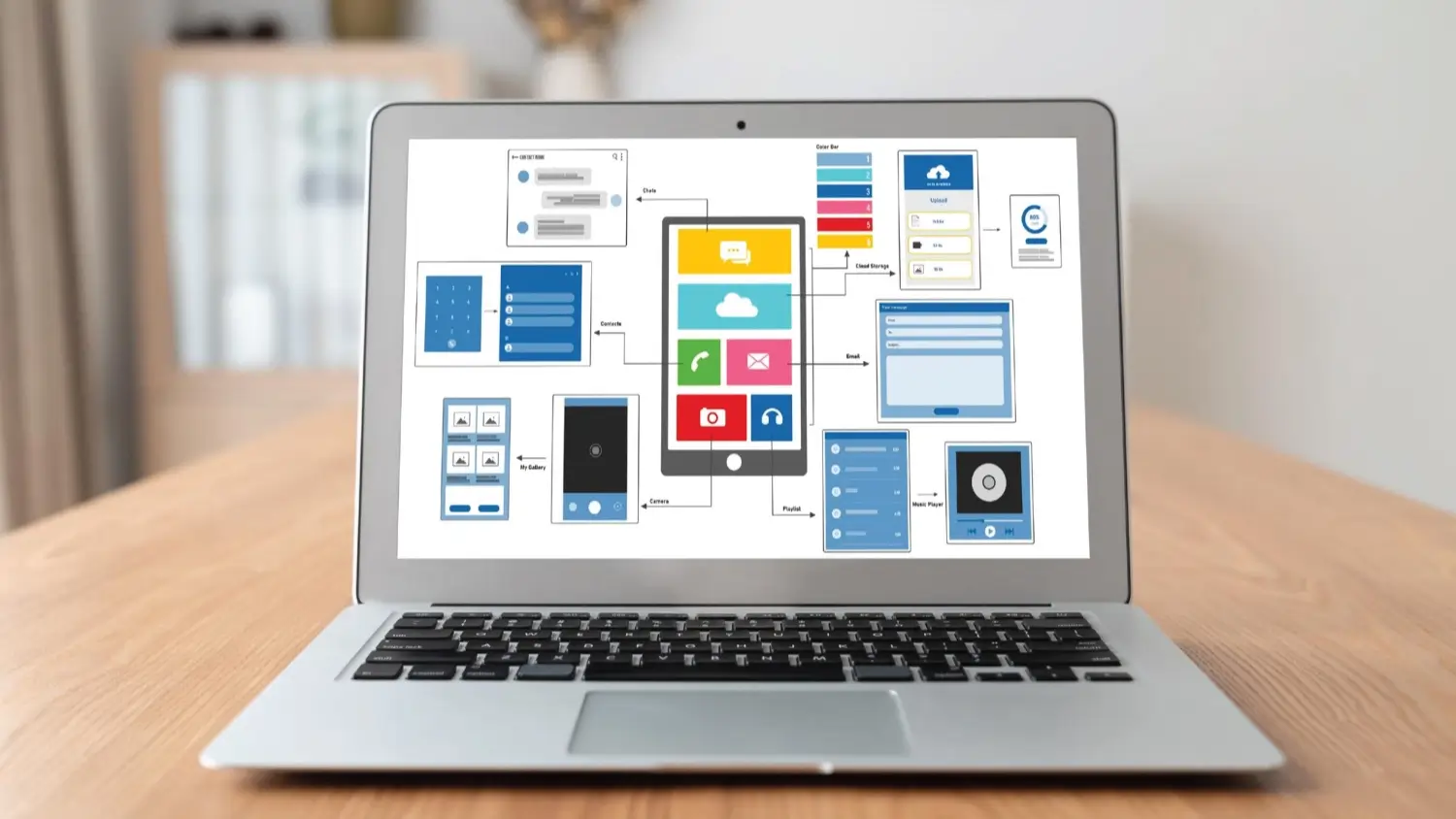
In the past, installing bulky desktop software was a necessary part of using computers for work, creativity, and communication. From accounting tools to design suites, everything required downloads, licenses, updates, and powerful hardware. Today, that reality is rapidly changing. Web apps-applications that run directly in a web browser-are transforming how individuals and businesses operate.
With faster internet, cloud computing, and modern browsers, web applications are now powerful enough to replace most traditional desktop software. This shift is not just a trend; it represents a fundamental change in how software is built, distributed, and used.
In this in-depth guide, we’ll explore how web apps are replacing traditional desktop software, why this shift is happening, and what it means for users, businesses, and the future of digital work.
Web Apps and Desktop Software
Desktop software refers to applications installed directly on a computer’s operating system, such as Microsoft Word, Adobe Photoshop, or traditional accounting software. These programs often require manual updates, system compatibility, and significant storage space.
Web apps, on the other hand, run inside web browsers like Chrome, Edge, or Firefox. They don’t require installation and are accessible from anywhere with an internet connection. Examples include Google Docs, Figma, Notion, and many modern SaaS platforms.
As technology evolves, web apps are closing the performance gap while offering unmatched convenience.
The Evolution of Software: From Desktop to Browser
In the early days of computing, desktop software was the only viable option due to limited internet speeds and browser capabilities. Software came on CDs or DVDs, and updates were infrequent.
The rise of:
- High-speed broadband
- Cloud infrastructure
- Advanced JavaScript frameworks
- Powerful web browsers
has completely changed the landscape.
Today’s browsers support complex animations, real-time collaboration, offline functionality, and even hardware-level access. As a result, web apps now offer experiences once exclusive to desktop programs.
Key Reasons Web Apps Are Replacing Desktop Software
a) Faster Internet and Cloud Access
Reliable high-speed internet allows web apps to load quickly and sync data in real time, making local installations less necessary.
b) Cross-Platform Compatibility
Web apps work on Windows, macOS, Linux, tablets, and smartphones without separate versions.
c) Automatic Updates
Users always access the latest version without manual downloads or patches.
d) Subscription-Based Models
Modern businesses prefer flexible pricing over expensive one-time licenses.
These factors collectively accelerate the transition away from traditional desktop software.
Advantages of Web Apps Over Traditional Desktop Software
Accessibility from Anywhere
Web apps allow users to log in from any device, making remote work seamless.
No Installation or Storage Hassles
There’s no need to worry about disk space, system requirements, or software conflicts.
Real-Time Collaboration
Multiple users can work on the same file simultaneously—something desktop software struggled with for years.
Cost Efficiency
Web apps often reduce costs related to IT maintenance, licensing, and hardware upgrades.
Scalability
Businesses can easily add or remove users without reinstalling software.
These advantages make web apps especially attractive for startups, freelancers, and remote teams.
Popular Examples of Web Apps Replacing Desktop Tools
Productivity and Office Software
- Google Docs replacing traditional word processors
- Web-based spreadsheets and presentations
Design and Creative Tools
- Browser-based UI/UX design platforms
- Online photo and video editing tools
Communication and Collaboration
- Web-based email clients
- Team chat and video conferencing apps
Accounting and Finance
- Cloud accounting platforms replacing desktop bookkeeping software
Project Management
- Web dashboards replacing standalone project tools
These examples show how ever-evolving web apps now meet or exceed desktop software capabilities.
Role of Cloud Computing in Web App Growth
Cloud computing is the backbone of modern web applications. It enables:
- Secure data storage
- Real-time syncing
- Automatic backups
- Global accessibility
Instead of storing files locally, users rely on cloud servers that scale as needed. This not only improves performance but also reduces data loss risks.
Cloud infrastructure allows web apps to handle millions of users simultaneously while delivering consistent performance.
Security and Reliability of Modern Web Apps
A common concern is whether web apps are as secure as desktop software. In many cases, they are more secure.
Why Web Apps Are Secure:
- Encrypted data transmission
- Regular security updates
- Centralized monitoring
- Multi-factor authentication
Reputable web app providers invest heavily in cybersecurity, often beyond what individual users can manage on their own systems.
Impact on Businesses and Remote Work
The rise of web apps has reshaped modern workplaces.
Benefits for Businesses:
- Reduced IT infrastructure costs
- Easy onboarding for employees
- Better collaboration across locations
Benefits for Remote Teams:
- Location independence
- Real-time communication
- Centralized data access
This shift has fueled the global remote work movement, enabling teams to collaborate efficiently regardless of geography.
Challenges and Limitations of Web Apps
Despite their advantages, web apps are not without challenges.
Internet Dependency
Limited or unstable internet connections can affect usability.
Performance Limitations
Some high-end tasks, like advanced video editing or 3D rendering, may still perform better on desktop software.
Data Privacy Concerns
Users must trust service providers with sensitive information.
However, as technology continues to advance, these limitations are gradually being addressed.
The Future of Web Apps and Software Development
The future strongly favors web-based solutions.
Emerging Trends:
- Progressive Web Apps (PWAs)
- AI-powered web platforms
- Offline-first web applications
- Browser-based development tools
Web apps will continue to evolve, offering richer experiences while reducing dependency on traditional installations. Industry analysts predict that most new software will be web-first or web-only.
Platforms like Web Trendy Hub consistently highlight these shifts, helping readers stay updated on the latest web app innovations and trends.
Conclusion
Web apps are no longer lightweight alternatives to desktop software—they are powerful, flexible, and future-ready solutions. With benefits like accessibility, cost savings, automatic updates, and real-time collaboration, they are rapidly replacing traditional desktop applications across industries.
While desktop software still has a place in specialized use cases, the overall direction is clear: the browser is becoming the new operating system. Businesses and individuals who embrace this change will gain a competitive edge in an increasingly digital world.
As the web ecosystem continues to evolve, trusted resources like Web Trendy Hub remain valuable for understanding how modern web technologies shape our everyday digital experiences.
FAQs
What is the main difference between web apps and desktop software?
Web apps run in a browser and don’t require installation, while desktop software must be installed locally on a device.
Are web apps suitable for professional use?
Yes, many businesses rely entirely on web apps for productivity, design, communication, and management.
Do web apps work offline?
Some modern web apps offer offline functionality using browser storage and syncing when internet access is restored.
Are web apps more cost-effective than desktop software?
In most cases, yes. They reduce upfront costs, maintenance expenses, and hardware requirements.
Is desktop software becoming obsolete?
Not entirely, but its role is shrinking as web apps become more capable and widely adopted.
What industries benefit the most from web apps?
Technology, education, finance, creative industries, and remote-first businesses benefit significantly from web-based solutions.