
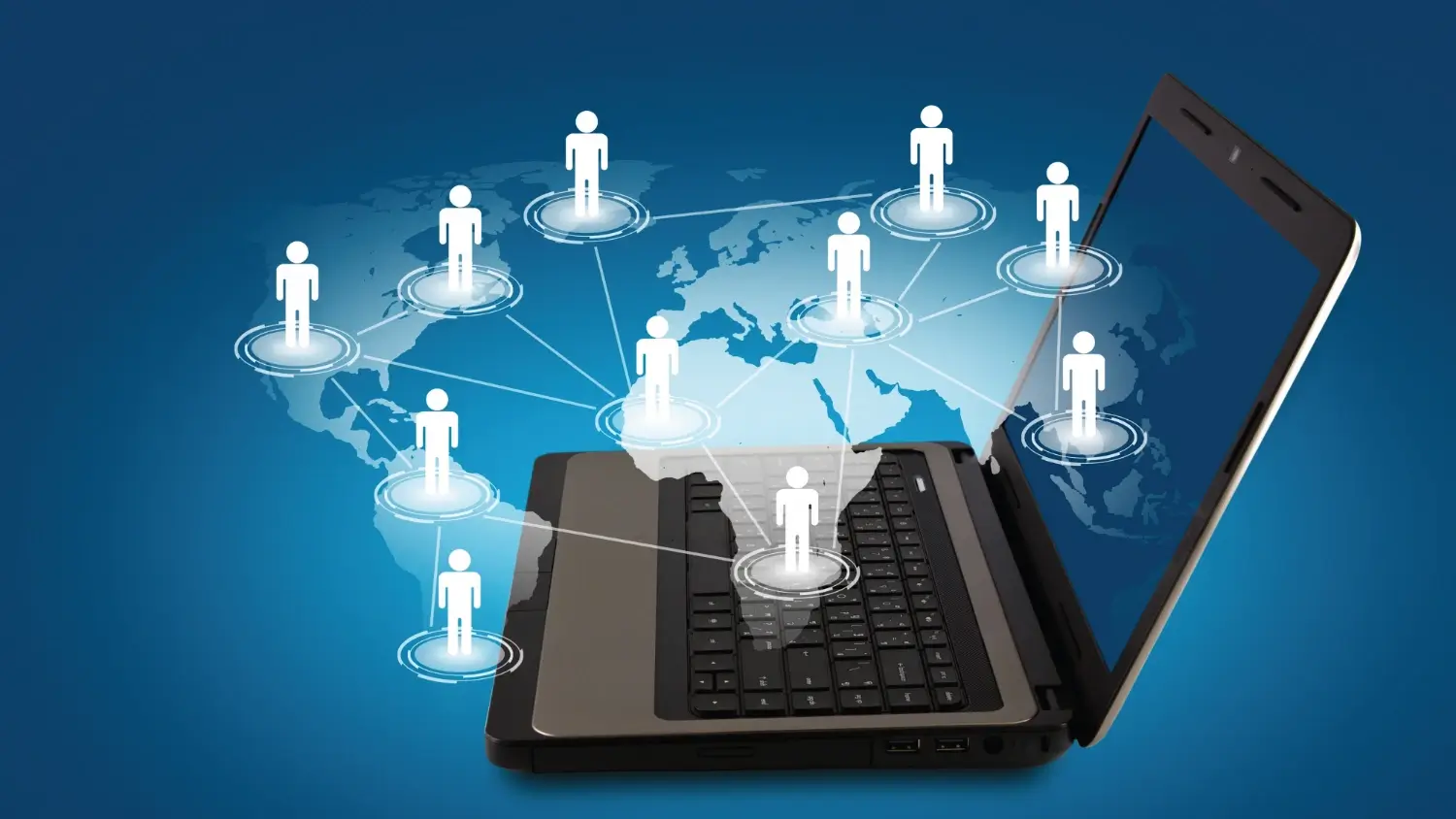
A Shift in How the Internet Works
The internet has become an inseparable part of daily life-from communication and commerce to entertainment and education. However, the way the internet operates behind the scenes is quietly undergoing a major transformation. At the center of this shift is the decentralized internet, a new model designed to give users more control, privacy, and ownership of their digital lives.
Unlike the traditional web, which is dominated by centralized servers and large corporations, the decentralized internet distributes data and services across networks of independent nodes. This evolution reflects broader internet trends focused on transparency, digital freedom, and resilience. As discussed frequently on platforms like Web Trendy Hub, decentralization is no longer a niche concept-it is shaping the future of the online world.
What Is the Decentralized Internet?
The decentralized internet, often referred to as Web3, is an internet architecture where data, applications, and services are not controlled by a single authority. Instead, they operate across multiple nodes, often maintained by users themselves.
In simple terms:
- No single company owns the platform
- Data is stored across distributed networks
- Users retain control over their identities and assets
This model contrasts sharply with the centralized internet (Web2), where a few tech giants store, manage, and monetize user data.
Why the Centralized Internet Is Being Questioned
The traditional internet has brought incredible convenience, but it has also introduced serious concerns that are driving interest in decentralization.
Key Issues with Centralization:
- Data privacy violations and large-scale breaches
- Censorship and content control by platforms
- Monetization of user data without user consent
- Single points of failure, leading to outages
As users become more aware of how their data is collected and used, trust in centralized platforms is declining. This shift in perception is a major factor behind the rise of decentralized internet models.
Key Technologies Powering the Decentralized Web
The decentralized internet is not built on a single technology. It is supported by a combination of innovations working together.
Blockchain
Blockchain is the backbone of decentralization. It enables transparent, tamper-proof records and eliminates the need for intermediaries. Blockchains allow users to verify transactions and ownership independently.
Peer-to-Peer (P2P) Networks
P2P networks allow users to interact directly without a central server. Popular examples include file-sharing systems and decentralized communication platforms.
Distributed Storage Systems
Instead of storing files on centralized servers, distributed storage breaks data into encrypted pieces and stores them across multiple nodes. This improves security and reduces the risk of data loss.
Smart Contracts
Smart contracts are self-executing programs that automate agreements without third-party involvement. They play a critical role in decentralized applications (dApps).
How the Decentralized Internet Is Changing User Experience
One of the most noticeable impacts of decentralization is how users interact with online platforms.
Ownership Over Accounts
Users control their digital identities through cryptographic keys instead of usernames and passwords owned by platforms.
Censorship Resistance
Content hosted on decentralized networks is harder to remove or manipulate, supporting freedom of expression.
Platform Transparency
Rules, algorithms, and transactions are often open-source and verifiable.
Interoperability
Decentralized apps are designed to work across platforms, allowing smoother data portability between services.
Benefits of a Decentralized Internet for Everyday Users
The decentralized internet offers tangible advantages that go beyond technical innovation.
Enhanced Privacy
Users decide what data to share and with whom, reducing unwanted tracking.
Improved Security
Distributed systems are less vulnerable to hacks because there is no single target.
Greater Digital Freedom
Users are no longer dependent on platform policies that can change without notice.
Fairer Value Distribution
Creators and users can earn directly without intermediaries taking large commissions.
These benefits align with the growing demand for ethical and user-centric digital platforms.
Challenges and Limitations of Decentralization
Despite its promise, the decentralized internet is not without challenges.
Technical Complexity
Managing wallets, private keys, and decentralized apps can be intimidating for new users.
Scalability Issues
Some decentralized networks struggle with speed and transaction volume.
Regulatory Uncertainty
Governments are still figuring out how to regulate decentralized platforms.
User Responsibility
Losing private keys can mean losing access permanently-there is often no recovery option.
These limitations highlight the need for better user education and improved infrastructure.
Real-World Use Cases and Emerging Platforms
Decentralization is already making an impact across industries.
Decentralized Finance (DeFi)
Users can lend, borrow, and trade assets without traditional banks.
Decentralized Social Media
Platforms give users control over content and monetization.
Decentralized Marketplaces
Peer-to-peer marketplaces reduce fees and increase transparency.
Content Hosting and Streaming
Decentralized hosting reduces downtime and censorship risks.
These applications demonstrate how decentralization is evolving from concept to reality.
Decentralized Internet and Future Internet Trends
The rise of decentralization is closely tied to broader internet trends shaping the digital ecosystem.
User-Owned Data
Future platforms will prioritize data sovereignty.
AI and Decentralization
Decentralized AI models reduce reliance on centralized datasets.
Token-Based Economies
Digital tokens enable new incentive models for participation.
Trustless Systems
Verification replaces trust in centralized authorities.
As these trends converge, the internet is becoming more open, transparent, and user-driven.
What Users Should Know Before Adopting Decentralized Platforms
Before diving into decentralized services, users should consider a few important points:
- Learn basic security practices
- Understand wallet management
- Start with beginner-friendly platforms
- Verify project credibility
Being informed reduces risks and improves the overall experience.
The Road Ahead: Will Decentralization Replace the Traditional Web?
Rather than completely replacing the traditional internet, decentralization is more likely to coexist with it. Hybrid models are emerging, combining the usability of centralized platforms with the transparency of decentralized systems.
Large companies are already exploring blockchain integration, while startups continue to innovate in the decentralized space. This suggests a gradual transition rather than an abrupt shift.
Final Thoughts
The rise of the decentralized internet marks one of the most important shifts in digital history. It challenges long-standing power structures and redefines how users interact online. While challenges remain, the potential benefits-privacy, transparency, and digital ownership-are too significant to ignore.
As internet trends continue to evolve, decentralization will play a crucial role in shaping a more open and user-focused digital future. For readers looking to stay informed about these transformations, Web Trendy Hub remains a valuable source for insights into emerging technologies and the future of the web.
FAQs
What is the main goal of the decentralized internet?
The primary goal is to give users control over their data, identity, and digital assets without relying on centralized authorities.
Is the decentralized internet safe for beginners?
Yes, but beginners should start slowly, use trusted platforms, and learn basic security practices.
How is Web3 different from the traditional internet?
Web3 focuses on decentralization, user ownership, and blockchain-based systems, unlike Web2’s centralized platforms.
Can decentralized platforms be regulated?
Regulation is evolving, but decentralized systems are harder to control due to their distributed nature.
Does decentralization improve privacy?
Yes, it reduces data tracking and gives users more control over personal information.