The internet is no longer just a tool for communication-it has become the foundation of how we work, learn, shop, socialize, and experience the digital world. As technology advances at an unprecedented pace, the future internet is shaping up to be smarter, faster, more immersive, and deeply personalized. From artificial intelligence to decentralized networks, emerging internet trends are set to redefine digital experiences for individuals and businesses alike.
In this in-depth guide by Web Trendy Hub, we explore the most impactful future internet trends that will shape the next generation of online experiences. Whether you’re a business owner, marketer, developer, or tech enthusiast, understanding these trends will help you stay ahead in an ever-evolving digital landscape.
The Internet at a Turning Point
The internet has evolved from static web pages to dynamic, interactive platforms that power global economies. We are now entering a new phase where the internet is becoming intelligent, immersive, and user-centric. Future internet trends are not just about new technologies but about transforming how users interact with digital environments.
Digital experiences will soon feel more human, intuitive, and seamless. Businesses that adapt early will gain a significant competitive advantage, while users will benefit from faster, safer, and more engaging online interactions.
Artificial Intelligence as the Backbone of the Future Internet
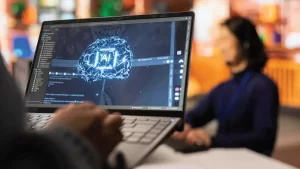
Artificial Intelligence (AI) is no longer an optional feature-it is becoming the core engine of the future internet. AI-driven algorithms already influence search results, content recommendations, chatbots, and virtual assistants. In the coming years, AI will evolve into autonomous systems capable of learning user behavior in real time.
Key Impacts of AI on Digital Experiences
- Smarter search engines that understand user intent
- AI-generated content tailored to individual preferences
- Advanced chatbots offering human-like conversations
- Predictive analytics for personalized user journeys
AI will enable websites and applications to adapt dynamically, creating digital experiences that feel unique to every user.
The Rise of Immersive Technologies: AR, VR, and XR
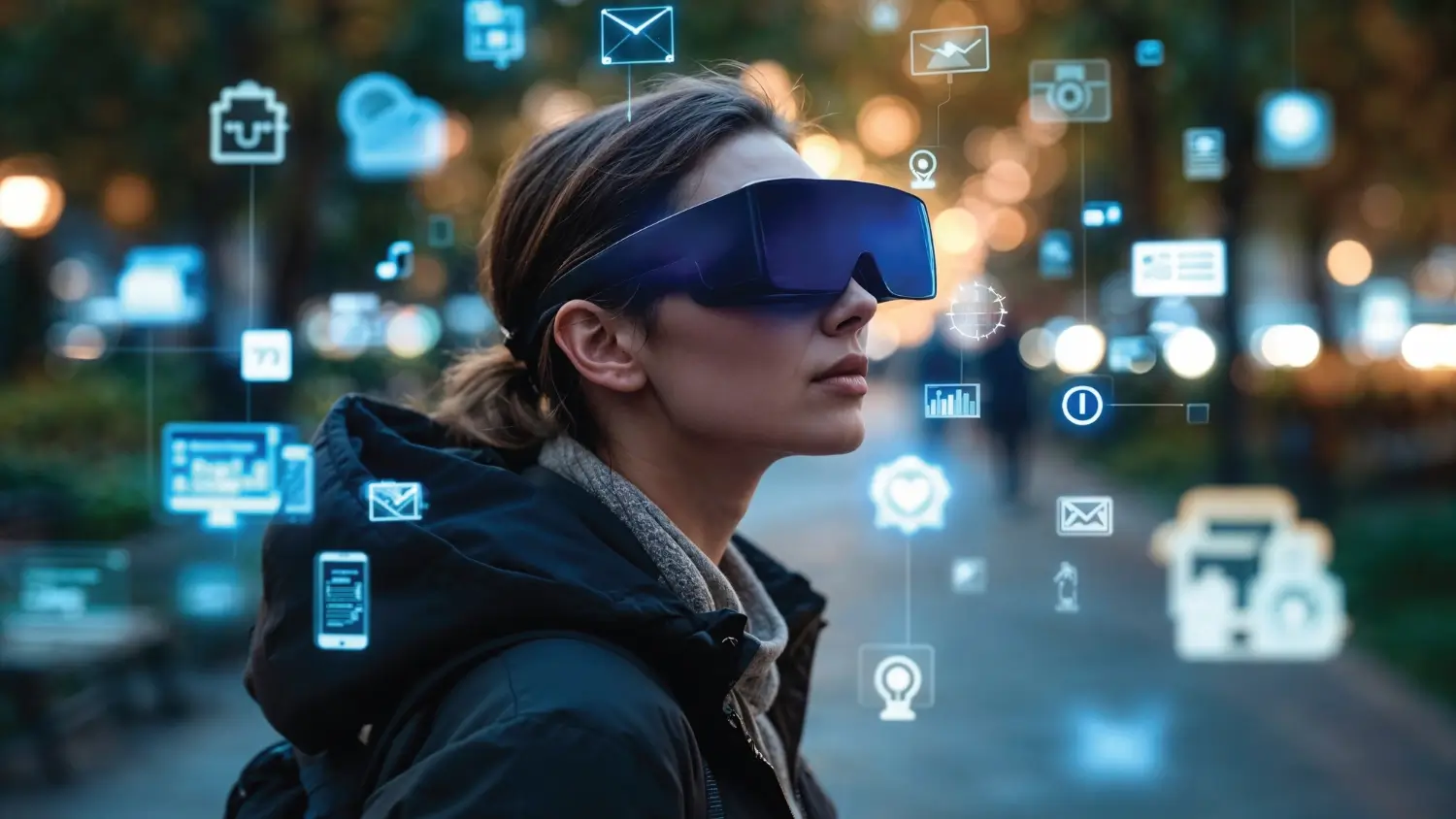
Immersive technologies are set to redefine how users experience the internet. Augmented Reality (AR), Virtual Reality (VR), and Extended Reality (XR) will blur the lines between the physical and digital worlds.
How Immersive Internet Trends Will Transform Experiences
- Virtual shopping experiences with 3D product previews
- Interactive virtual events and digital workplaces
- Immersive learning and training environments
- Enhanced gaming and entertainment platforms
As devices become more affordable, immersive internet experiences will become mainstream, offering deeper engagement than traditional screens.
Web 3.0 and the Decentralized Internet
Web 3.0 represents a fundamental shift toward a decentralized internet powered by blockchain technology. Unlike traditional platforms controlled by centralized entities, Web 3.0 gives users greater ownership of their data and digital identities.
Benefits of the Decentralized Internet
- Enhanced data privacy and security
- Reduced reliance on centralized platforms
- Transparent transactions through blockchain
- User-controlled digital assets and identities
This shift will redefine trust on the internet and empower users to participate more actively in digital ecosystems.
Hyper-Personalization Through Data Intelligence
Future digital experiences will move beyond basic personalization into hyper-personalization. By combining AI, big data, and real-time analytics, platforms will deliver content, products, and services tailored to individual preferences.
Examples of Hyper-Personalized Experiences
- Personalized news feeds and content recommendations
- Dynamic website layouts based on user behavior
- Customized e-commerce shopping journeys
- Targeted digital advertising with higher relevance
Hyper-personalization will make digital interactions more meaningful while improving user satisfaction and engagement.
Voice, Gesture, and Multimodal Internet Interactions
The future internet will not rely solely on keyboards and touchscreens. Voice commands, gestures, and multimodal interactions will become standard, making digital experiences more accessible and natural.
Emerging Interaction Trends
- Voice-enabled search and browsing
- Gesture-based controls in AR/VR environments
- AI-powered assistants across devices
- Multimodal interfaces combining voice, text, and visuals
These innovations will make the internet more inclusive, especially for users with accessibility needs.
The Expansion of the Internet of Things (IoT)
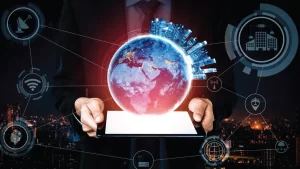
The Internet of Things is connecting billions of devices, from smart homes to industrial systems. As IoT expands, the internet will become more context-aware and responsive.
How IoT Will Redefine Digital Experiences
- Smart homes that adapt to user preferences
- Connected healthcare devices for remote monitoring
- Smart cities with optimized traffic and energy use
- Real-time data-driven decision-making
IoT-driven internet trends will create seamless interactions between users and their environments.
Faster Connectivity with 5G and Beyond
High-speed connectivity is a critical foundation for future internet experiences. 5G networks and upcoming technologies will enable ultra-fast data transfer with minimal latency.
Advantages of Next-Gen Connectivity
- Smooth streaming of high-quality content
- Real-time gaming and virtual experiences
- Faster downloads and cloud-based applications
- Improved mobile and remote work experiences
As connectivity improves, digital experiences will become more responsive and immersive.
Privacy-First Internet and Digital Trust
With growing concerns about data misuse, the future internet will prioritize privacy and digital trust. Users are demanding transparency, control, and ethical data practices.
Key Privacy-Focused Internet Trends
- Stronger data protection regulations
- Privacy-first website designs
- Secure authentication methods
- User-controlled data sharing
Trust will become a major differentiator for digital platforms in the future.
Edge Computing and Real-Time Experiences
Edge computing processes data closer to the user, reducing latency and improving performance. This technology will support real-time applications such as autonomous vehicles, smart devices, and live streaming.
Benefits of Edge Computing
- Faster response times
- Reduced server load
- Improved reliability for critical applications
- Enhanced user experiences
Edge computing will play a vital role in delivering instant, seamless digital interactions.
The Creator Economy and Community-Driven Platforms
The future internet will empower creators and communities more than ever. Decentralized platforms, subscription models, and digital ownership will allow creators to monetize content directly.
Trends Shaping the Creator Economy
- Community-based social platforms
- Direct-to-audience monetization
- Digital collectibles and NFTs
- Creator-focused tools and analytics
This shift will redefine how content is created, shared, and valued online.
Sustainable and Green Internet Technologies
As digital usage grows, sustainability is becoming a priority. The future internet will focus on energy efficiency and eco-friendly technologies.
Green Internet Innovations
- Energy-efficient data centers
- Sustainable hardware designs
- Optimized network infrastructure
- Carbon-neutral digital services
Sustainable internet trends will help balance technological growth with environmental responsibility.
How Businesses Can Prepare for Future Internet Trends
To stay competitive, businesses must adapt to emerging internet trends proactively.
Actionable Steps for Businesses
- Invest in AI-driven tools and analytics
- Optimize websites for immersive and mobile experiences
- Prioritize user privacy and data security
- Embrace decentralization and community engagement
- Stay informed through platforms like Web Trendy Hub
Early adoption of future internet trends can unlock new opportunities and long-term growth.
Final Thoughts: Adapting to the Digital Future
The future internet is not a distant concept-it is unfolding right now. From AI and immersive technologies to decentralization and sustainability, these trends will redefine how users experience the digital world. Businesses and individuals who embrace these changes will thrive in an increasingly connected ecosystem.
Staying informed, adaptable, and user-focused is the key to success in this evolving digital era.
FAQs
What are future internet trends?
Future internet trends refer to emerging technologies and innovations that will shape how the internet functions and how users interact with digital platforms.
How will AI change digital experiences?
AI will enable smarter personalization, automation, predictive analytics, and more intuitive user interactions across websites and applications.
What is Web 3.0 and why is it important?
Web 3.0 is a decentralized version of the internet that gives users more control over data, enhances privacy, and reduces reliance on centralized platforms.
Will immersive technologies replace traditional websites?
While traditional websites will remain important, immersive technologies like AR and VR will complement them by offering richer, more interactive experiences.
How can businesses prepare for future internet trends?
Businesses should focus on innovation, invest in emerging technologies, prioritize user experience, and stay updated through reliable sources like Web Trendy Hub.